Description
Full paragliding course for total beginners
Combined IPPI 2+3 | BHPA Elementary+Club Pilot | APPI Explore+Pilot
This intensive paragliding course combines the IPPI 2 Elementary and the IPPI 3 Club Pilot courses and it will drive you from a complete beginner to a certified pilot allowed to fly unsupervised. No previous experience is needed.
To become an autonomous paragliding pilot you need to complete these two courses:
IPPI 2 Elementary Pilot Course
This is a course for complete novices without previous flying experience and is the first step in getting qualified to paraglide. At the end of this course, you have learned the basics of paragliding.
This course takes one week (6 days).
IPPI 3 Club Pilot course
This is the next step in your career to become an autonomous paraglider pilot. Once you have finished this course and all the tasks of the training program have been completed, you should have the skills you need to fly unsupervised.
This course takes one week (6 days).
Learn to fly and become a certified paragliding pilot.
This two consecutive weeks full combined EP+CP course is the quickest way to learn to paraglide and get a qualification that allows you to fly unsupervised.
You will learn the basics of paragliding and by the end of the course, you will be an autonomous paragliding pilot!
In southern Spain, you will take advantage of the good weather conditions for maximum air-time and you will have more chances to complete your course in a shorter time meanwhile in other countries with not-so-good weather it can take months.

REQUIREMENTS
TO ATTEND THIS COURSE YOU NEED...
- You must be older than 16 years.
- Your weight is less than 120 Kgr.
- The briefings are in English or Spanish. You must understand at least one of these languages.
Zero Gravity: International Paragliding School Recognized by FAI, APPI and BHPA
 Our paragliding school is approved, and accredited by FAI, RFAE, APPI and BHPA, which means that we can certify and apply for licenses recognized worldwide.
In our paragliding school, you can be rated in one or more of these organizations.
- RFAE, is the Spanish Air Sports Federation
- APPI, is an Association of Paragliding Pilots and Instructors which Offers a worldwide united education system.
- BHPA, the British Hang Gliding and Paragliding Association, provides the infrastructure within which hang gliding and paragliding in the United Kingdom.
- FAI, the World Air Sports Federation, is the world governing body for air sports.
The traditional teaching method in paragliding is based on short flights from a low hill. The student doesn't have too much time to practice the exercises and has to walk to the top of the hill over and over to try it again. These hops are good to make you more confident in the beginning, but in the long run, they extend the time to develop your flying skills. It is also very demanding physically to hike to the top of the hill.
We can reduce this time with our system, combining dual flights with your instructor and solo flights.
Our Fast Learning System
- ONE-to-ONE TANDEM FLIGHTS:
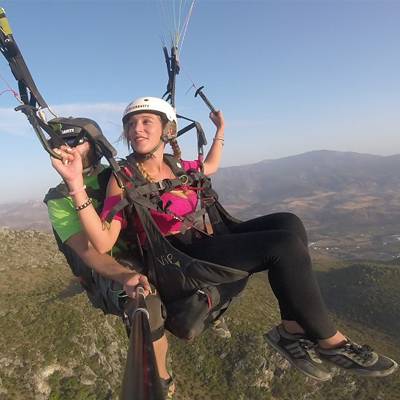
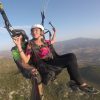
In the beginning, you will fly in a dual paraglider with your instructor from the top of the mountain (100-600 m high). During these approx. 20-minute-long flights, you will take the controls of the glider. You will have plenty of time to practice exercises, with the help of your instructor who will be seated behind you. This is the best way to learn, no doubt!
With this system, we also save time: you can fly with your instructor and practice more often and you won't be waiting for hours in the light wind conditions.
For a couple of days, we combine tandem flights with theory lessons and ground handling practices until you are ready to fly in a glider all on your own.
- SOLO FLIGHTS:
After three or four tandem flights with your instructor, you will have learned the basics of piloting the glider and you should be ready for solo flights! You will fly alone for the rest of the course, but always under supervision, with radio support.
Elementary Pilot Course (BHPA EP-IPPI 2) Syllabus
Phase 1 - Ground Training
- Introductory talk - risk warning health/medical conditions clothing/footwear - pilot rating scheme BHPA/APPI
- Site assessment - suitability for the exercises and the student and weather
- Introduction to canopy and equipment
- Avoiding/minimising injury - safety techniques
Phase 2 - Ground Handling
- Briefing - Checks - wind direction, airspeed control, flare/stall
- Preparation - Pre-flight Checks - paragliding helmet, harness, canopy.
- Inflation - Take-off - landing sequence practised - post-flight control.
- Directional control - how controls work, initiating turns, looking ahead.
Phase 3 - First Flights
- Getting airborne - take-off with good control of airspeed, in-flight control, landing and post-flight control.
- Eventualities briefing - preparation to deal with the unexpected.
- Commands and communications briefing.
- Responsibilities briefing - student becomes the pilot-in-command.
Phase 4 - Flight exercises in a Dual Tandem paraglider with your instructor
- Flights (1) straight flights maintaining course and airspeed, introducing turns
- Flights (2) Different kinds of turns, speed-to-fly, figure-of-8 approaching
- Flights (3-4) complete simple flight plans with controlled landings in the intended area.
Phase 5 Theory lessons and examination.
- Meteorology - the weather affecting our sport
- Principles of flight - how the wing flies, what makes it turn, stability etc
- Rules of the air and air law.
- Elementary examination - multiple choice written paper.
Student has reached a standard of airmanship and attitude to continue training in this discipline. Attitude is very important in the interests of safety of the student, fellow pilots and other Course Exercises
Final assessment of the Elementary stage. If successful you can then move on the Club Pilot IPPI 3 level.
BHPA Club Pilot Course (BHPA CP-IPPI 3) Syllabus
Phase 6 - Pre-soaring.
- Theory: Further weather and site assessment, soaring flight theory, lift bands, flight planning, and rules of the air.
- Demonstrate consistent competent unassisted launches and controlled turns up to 180 degrees and beyond.
- Planned Approaches: Demonstrate consistent competent controlled approaches (using different techniques) and landings in a designated area.
Phase 7 - Soaring.
- Soaring flight: Consistently using ridge lift to maintain and gain height.
- Top Landings: Demonstrate safe, consistent and controlled top landings on at least two sites or in different conditions [this task is optional].
- Flying with others: Consistent competence in flying with others, observing the Rules of the Air and Collision Avoidance Rules.
Phase 8 - Improving Skills.
- Exploring the speed range: Competence in using the speed range of the paraglider, and understanding the hazards including the stall.
- Accelerator Systems: Competence in using accelerator systems and knowledge of their use and related dangers.
- Forward Launching: Demonstrate consistent competence in forward launching skills, under full control throughout.
- Reverse Launching: Demonstrate consistent competence in reverse launching skills, under full control throughout.
- Weight-shift and pitch-roll coordination in turns: Demonstrate consistent competence in steering the glider with weight-shift and in controlling pitch.
- Cross-wind and slope landings: Demonstrate consistent competence in cross-wind and slope landings and understand when and how to use and associated hazards [this task is optional].
Phase 9 - Instability & Emergencies
- Theory: Tree and water landing procedures, Parachute Landing Fall competence, emergency parachute systems, alternative control systems and dealing with instability and turbulence.
- Active flying: Coping with turbulence, including pitch control.
- Rapid descent techniques: The use of the ‘big ears’ descent technique, including its limitations and hazards.
- Dealing with an asymmetric tuck: Demonstrate how to deal effectively with small tucks in flight.
Phase 10 - Theory & Exam
- Meteorology: More detailed knowledge of weather and conditions for safe flying.
- Principles of flight: Knowledge of how the wing flies; effect of controls; forces on a wing; stalls, spins etc.
- Rules of the Air and Airlaw: Airlaw in paragliding activities, including controlled airspace and essential liaison with other air users.
- General Airmanship knowledge: Including human factors, flying abroad, repairs, inspections, coaching and clubs.
- Theory Examination: Two multiple choice written exam papers. A wrong answer to ANY Collision Avoidance question means automatic failure of the entire exam.
Final Assessment. Assessment of student’s attitude and standard of airmanship to fly safely and competently outside the supervision of a school.

INCLUDES
WE OFFER YOU IN THE PACKAGE...
- Accommodation (add-on option).
- Free Transfers from/to Malaga Airport (*Saturdays at 13h00).
- The rent of the full flight equipment.
- Third-party & Accident insurance, with repatriation cover.
- Shuttle to the flying sites & retrieves: we can fly in more than 10 different spots. We don't mind moving to another area if it is necessary due to weather conditions.

INSURANCE
INCLUDED IN THE PRICE
Please read the coverage of our insurance.
Nevertheless, we recommend you have your own Travel Accident Insurance with full rescue/repatriation cover.
If you are a citizen of the EU, bring your European Health Insurance Card (EHIC). This entitles you to reduced-cost, sometimes free, medical treatment.

ALGODONALES, SPAIN
FLY WHERE THE SUNSHINE!
WHY YOU SHOULD CHOOSE SPAIN?
- Because we have the best climate conditions for paragliding the whole year round.
- Because we variety of flying spots, on mountains, hills and coastal dunes.
- Because you will take advantage of the good weather and you will have more chances to complete your course in a shorter time than in other countries, where it could take months.
- And it is not only about flying, but you will enjoy the culture and real people of Spain.
🌍 Click on the upper tab to know more...
In Andalucia, even in Winter, while the rest of Europe is frozen, we can fly at 20ºC. The Winter here is not cold, and there are smooth thermal conditions. It could rain, but generally not too many consecutive days. In the Spring and Autumn, the good thermals offer high and long-distance flights, and the temperature is perfect. In Summer, it is hot (very!) but we enjoy smooth flights during the long evenings until sunset.
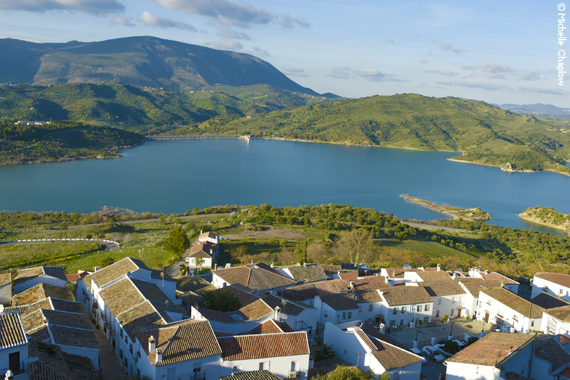
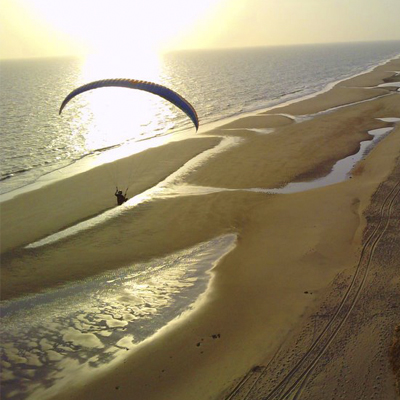
The mountains around Algodonales have a wide variety of flying spots, and the coast is just one hour away and offers two other easy coastal flying sites above dunes.
You can take advantage of these good weather conditions, and you will have more chances to complete your course in a shorter time than in other countries, where it could take months. It is likely to be more cost-effective to take a holiday with us compared to travelling back and forth to your local paragliding area.
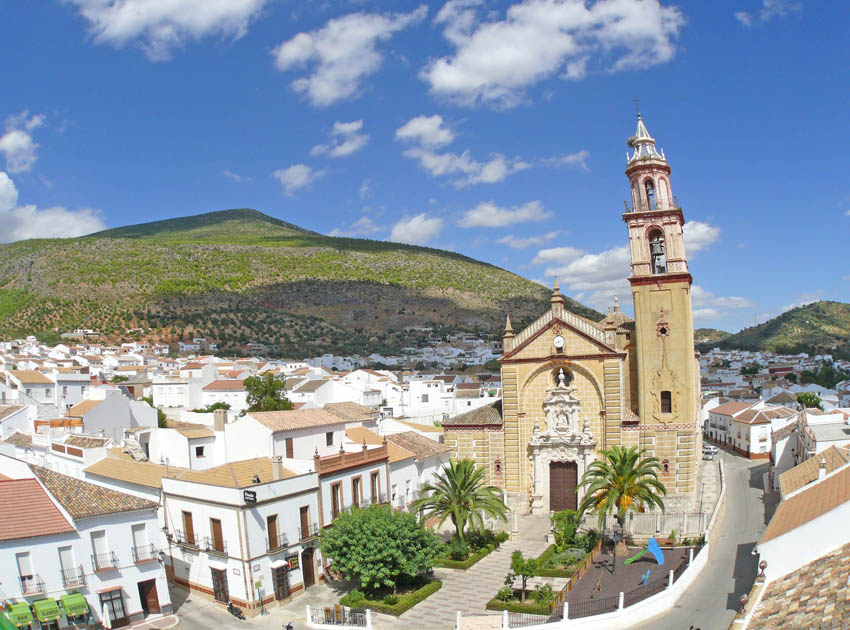
Although Algodonales is not a big town, you will find all you need for a comfortable holiday: there are supermarkets, local shops, several banks with cash machines, pharmacies and a health centre.
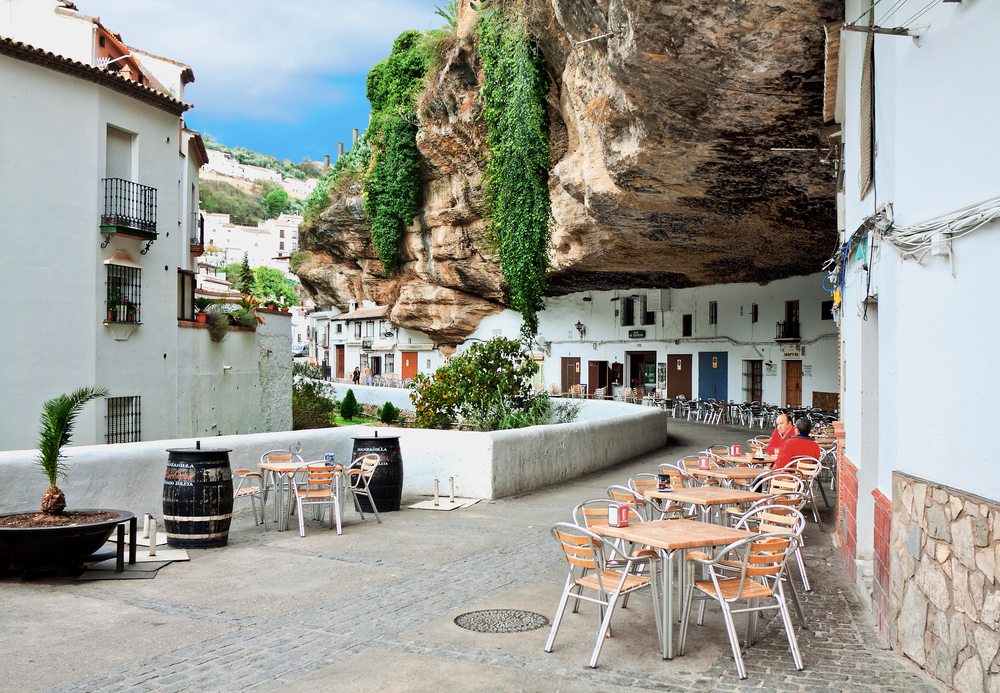
The village is full of restaurants and cafes, and they are open from early morning to midnight: you cannot miss tasting the fantastic local food and tapas at low prices: coffee or beer from 1.2€, tapas from 2€ and a daily menu by only 8-10€.
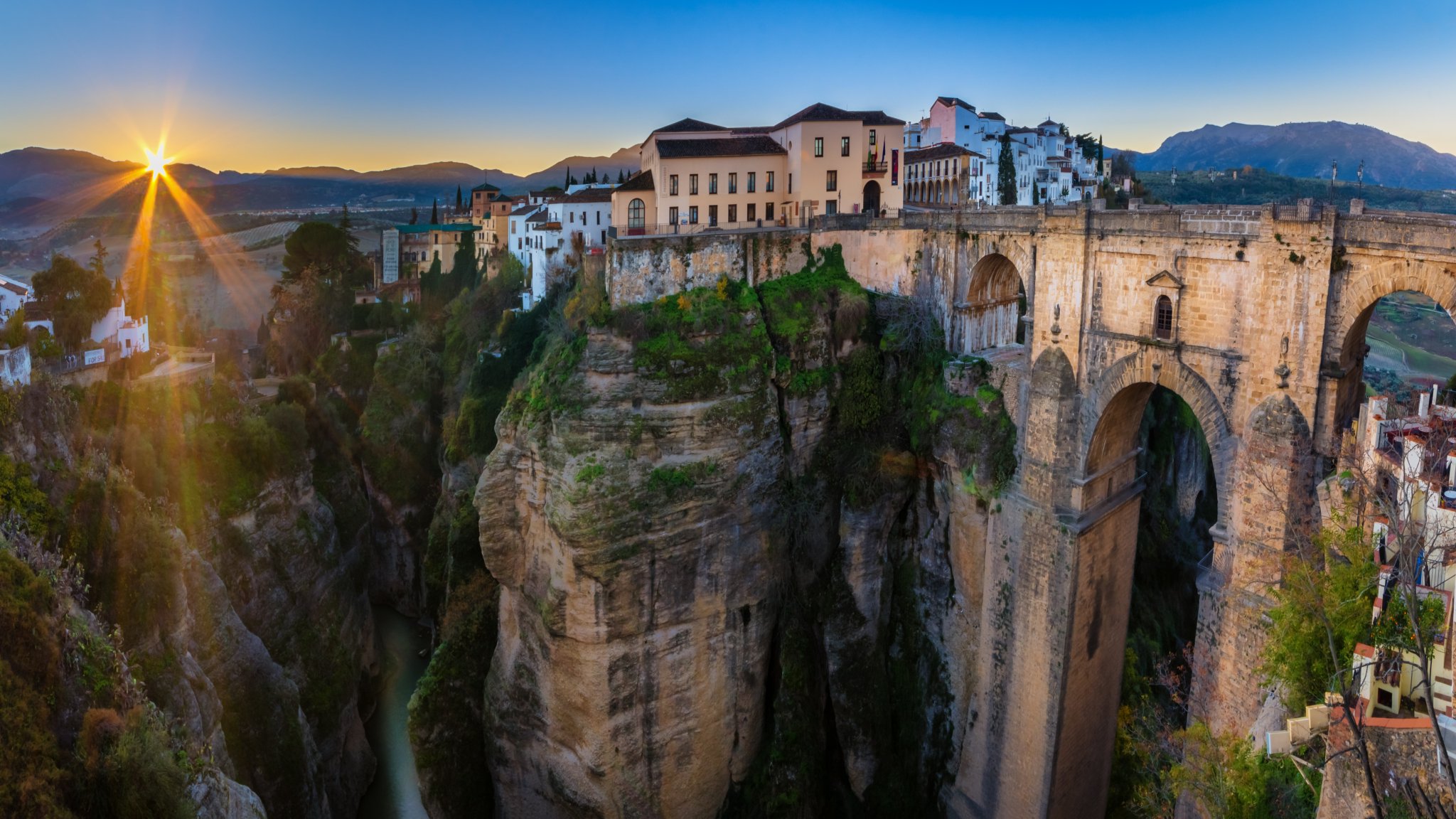
Algodonales is also ideally situated for visiting the surrounding great cities and sights of interest such as Ronda, Grazalema, Sevilla, Granada, Cordoba, Cadiz, Jerez de la Frontera, Costa de la Luz and Costa del Sol.


PLAN YOUR TRIP TO SPAIN
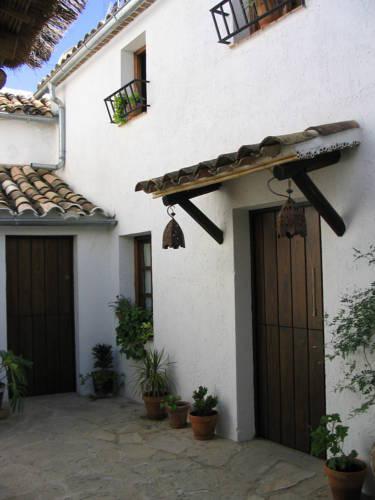
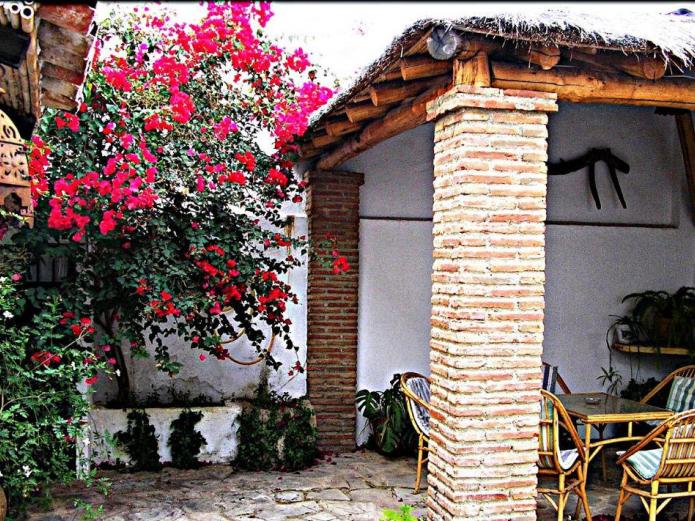
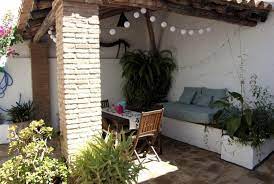
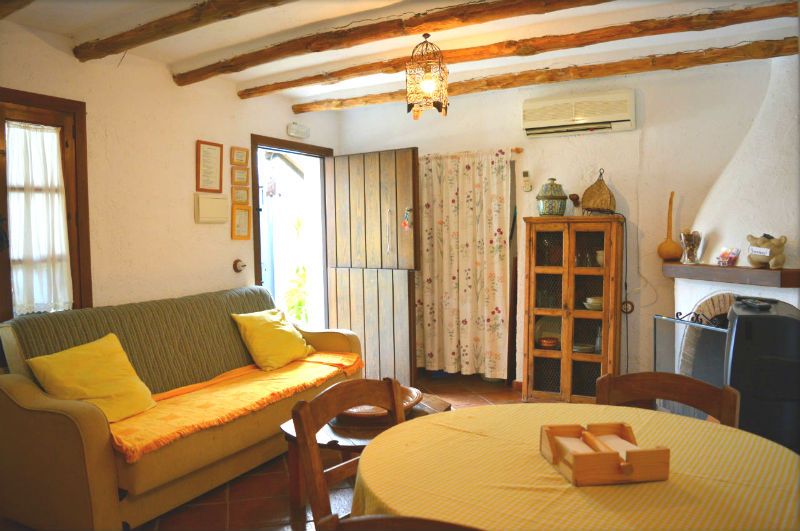
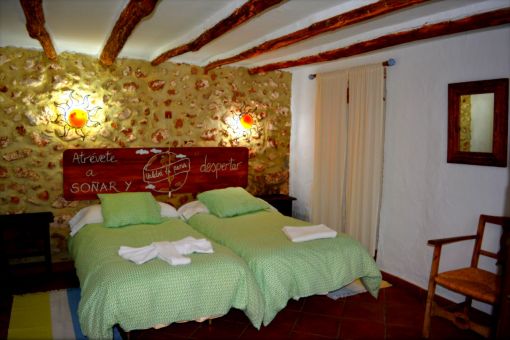
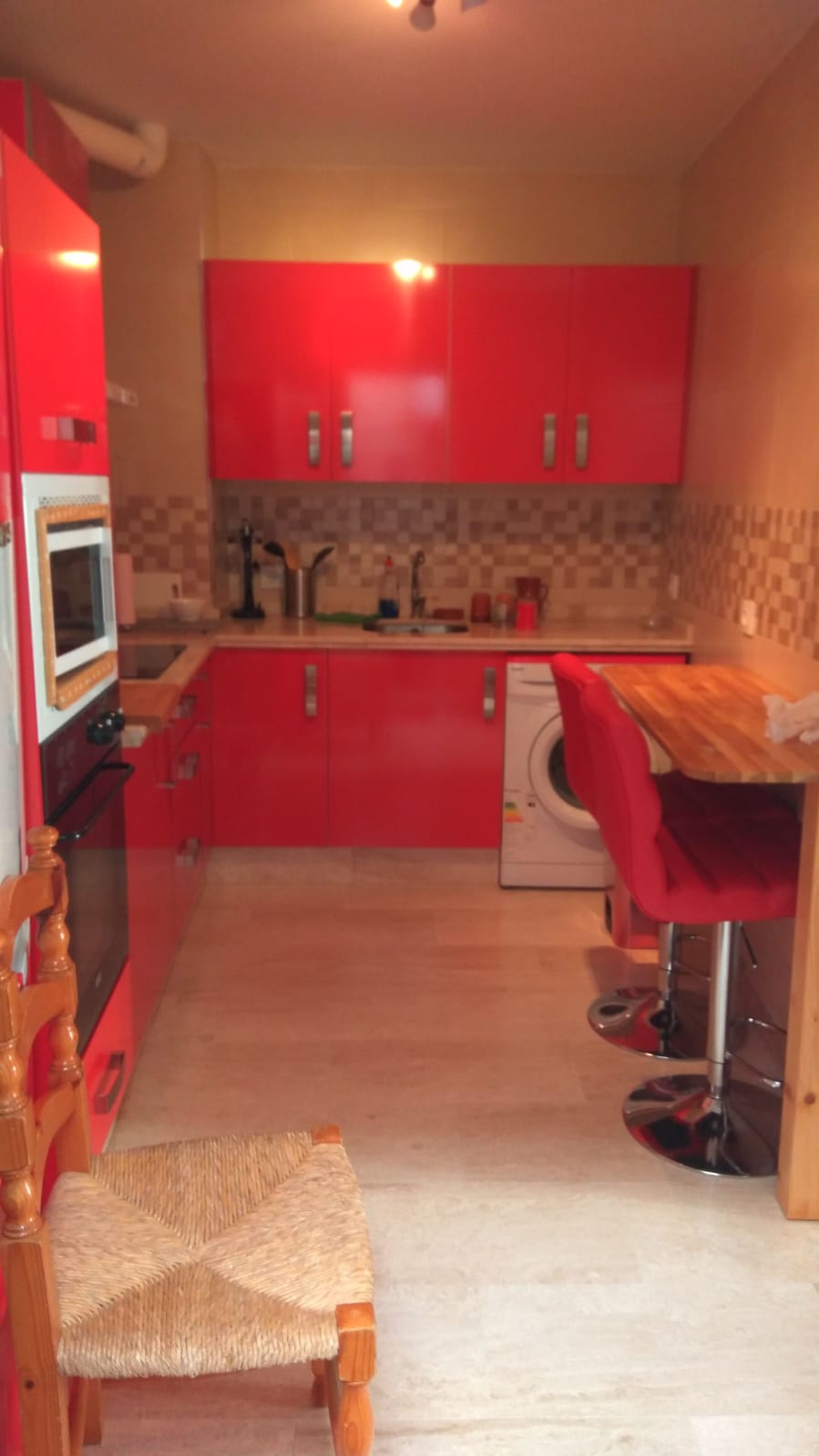
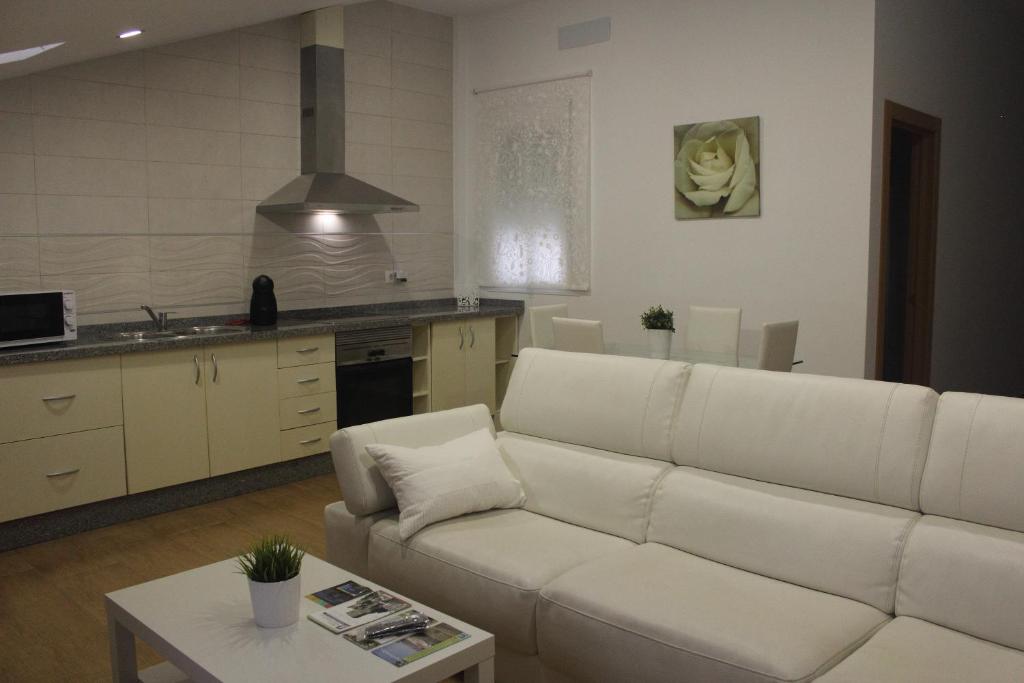
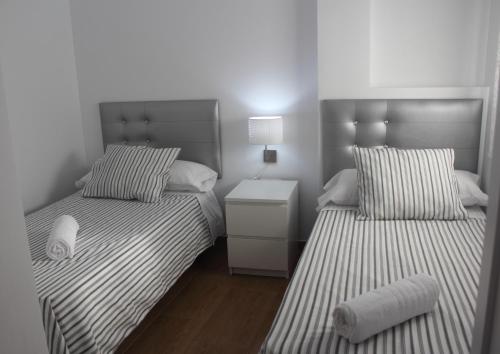
We cooperate with local hosts who offer accommodation at Algodonales. Most of the accommodations in Algodonales are based on rooms in self-catering houses. All the houses have AC, Wifi, bed sheets, towels and kitchen facilities. The apartments and houses are in the town centre, very close to our paragliding school and the main square, where all the restaurants and shops are. The price is approximately 210 euros for 7 nights in a single room. If you require accommodation for couples or families, there are double room options. Algodonales has a motorhome area just a short walk from the town centre. You’ll be close to shops, restaurants, and our school The dates of your booking are the starting and finishing dates. You should arrive on the day before the starting date, at any time, and depart on the day after the finishing date. i.e. If your reservation is Sept 22nd - Sept 27th, you should arrive on the 21st. We start on the 22nd morning and finish on the 27th evening. You must check out on the 28th. The shuttle service departs from Malaga airport on the arrival date (the day before the starting date, normally on Saturdays) at 13:00 h, and arrives at Algodonales approx. at 15:00 h On the check-out day (the day after the finishing date, normally on Saturdays) the shuttle departs from Algodonales approx. at 10:30 h and arrives at Malaga airport at approx. 12:30 h Please keep this time in mind when you book your flights. RENT A CAR: Hiring a car could be the best option and sometimes is cheaper than taking a bus. There are several Rental Car Companies in the airports which offer very good prices. You can find cheap offers on their websites. Please check the fuel policies (we always recommend full to full) and insurance options/costs for deposit or top-up insurance policies. TAXI: There is a taxi service at Algodonales and they offer the airport shuttle. The price from Malaga or Sevilla to Algodonales is approx. 120€. Sometimes, there are more people taking the same taxi and you can share the price with them. Ask for sharing the taxi when you make your booking. You can also take any other taxi at the airport, but ask for the price first!; it will be often much much expensive than the local taxi. You can book your taxi here: Algodonales Taxi driver's contact phone number: +34 695 39 66 34 (WhatsApp available) BUS: There are Bus Companies that make the route to Algodonales from Malaga or Sevilla. You may take a bus or a taxi from the airport to the main Bus Station in the town, then take a bus to Algodonales. If you can't find a direct line to Algodonales you can try to Ronda or to Olvera, which are close to Algodonales and change to another bus to Algodonales. Malaga Bus Station (Paseo de los Tilos, s/n. 29006 Malaga, Spain). Website: http://estabus.malaga.eu/ Sevilla Bus Station (Plaza Prado San Sebastián, s/n. 41004 Sevilla, Spain). Algodonales Bus Station: https://www.algodonales.es/algodonales/autobuses-y-taxi
ACCOMMODATION
ADD A ROOM TO YOUR PACKAGE
🚐 MOTORHOME AND CAMPER-VAN



NEAREST AIRPORTS
WHERE AND WHEN TO ARRIVE AND DEPART?

AIRPORT SHUTTLE
FREE AIRPORT TRANSFERS

HOW TO GET HERE
ALGODONALES, SPAIN
Frequently Asked Questions
Breakfasts and other meals are not included in the prices. Our paragliding school is recognized by several associations and federations (APPI, BHPA, FAI, RFAE). This means that you will qualify for a paragliding license with them upon completing your course with us. The fee to join any of these organizations is not included in the price of the course. Joining a federation is not mandatory, but recommended if you like to get a license. Paragliding is a weather-dependent activity, so we have to be flexible when making plans. We try to seize the time to optimise the training practices, but on a normal day, you can expect the following plan: We start at 9:30h with theory lessons at the school, and there is a briefing with the students, pilots, and instructors around 10:30h. After the daily briefing, we go flying. We provide transport to the flying sites; you don't need to drive your own car. The flight sites are around 30 minutes to one hour by car from Algodonales. Some days, if the weather is not good for flying in our area, we move to a different flying site; this could take one or two hours by car. If the conditions to fly are good, we can spend the whole day flying in the mountains (or the coast), up to sunset. But if part of the day is not good for flying, we can organise theory lessons, ground-handling practices or just time off for you to relax or for visiting the areas around. We normally have a pack-lunch with us, but if there is a time, we prefer to have lunch in a local restaurant to taste real Spanish food. On our return to the town, most of the people like to have dinner together. In the case of bad weather, we spend more time in theory lessons, and we can organise an alternative activity for the group, or anyone can do whatever they want, such as a tourist tour, hiking,… or just resting for the next day. Pack adequate, comfortable clothing: warm clothes if your course is in winter. You will need a jacket in spring; it can be cold at the top of a mountain. Bring walking boots (ideally with ankle support), a sun hat, sun cream, sunglasses, and a swimming costume, as there is a lake where you can canoe or swim. For students enrolled in a beginner's course, a long-sleeved t-shirt is a good idea for ground-handling practice. Long pants will avoid scratches on your legs. Light gloves are also recommended. We provide towels in the accommodation. Bring your reusable bottle and help reduce single-use plastic. There are good water fountains here, and you can also refill your bottle from the tap. Beginners Paragliding courses: Max. 6 students in a group with 2-3 instructors. Guided tours: Max. 8 pilots per instructor. XC Camps: Max. 8 pilots per instructor, and a driver who tracks the pilots with GPS. Only the students signed up for any of our beginner's courses have basic accident and third-party insurance included in the price. Anyway, buying your own accident and travel insurance is recommended. Read here the terms and conditions of the accident insurance. Qualified pilots signed up for holidays or tours should have their accident insurance, and full rescue/repatriation cover – specific to paragliding. For citizens members of the EU, the European Health Insurance Card (EHIC) entitles you to reduced-cost, sometimes free, medical treatment that becomes necessary while you’re in a European Economic Area (EEA) country or Switzerland. EHIC full info here. All are welcome. Algodonales is a beautiful area; There are massive amounts to keep everyone busy while you are flying. horse riding to kitesurfing. picnics & canoeing and beautiful white hillside villages of Andalucia, everything is out there to do and explore. We can organise tandem flights for non-flyers. They will need a car because we cannot guarantee a place for them in our vehicle. In the rare event of bad weather and the inability to fly, we have some alternative activities to keep you entertained: Touristic Routes, throughout typical white villages all over the Sierra, with visits to museums, Natural Parks, Gastronomic Stops,… You don’t. We provide transport to flying sites and for the retrieval. But if you want, you can hire a car to visit the surrounding areas, for your non-flying partners or if you cannot take our airport shuttle. Our shop is fully stocked with all the equipment you may wish to purchase for flying and all at good Spanish prices. If you are interested in buying a glider please contact us in advance due to it could take weeks to get the items here.
Restaurants and shops at Algodonales are not expensive. The accommodation has a shared kitchen with all facilities, so you can also cook your own food if you wish.
Visits to the nearest cities: Cadiz, Sevilla, Ronda, all of the great tourist interest.
Archaeological tours. In the nearby areas, there are many remains of ancient cultures such as the Phoenicians, Romans, and Moors…
Trekking: There are a lot of routes through Grazalema’s Natural Park with amazing landscapes, animals and forests.
Mountain bike: You can hire bikes to cross the routes through the Natural Park. One of which is an old disused railway with tunnels, bridges, stations,… and of course, always a restaurant to end your ride!
Canoe: You can also rent canoes and enjoy the nearby lakes of Zahara.
Even though Spain enjoys some of the best weather for paragliding, sometimes conditions can turn bad. But don’t worry, we’re always ready with a plan B! If the weather is bad in our area, we are going to move to a different one with better weather. There are more than ten different flying spots up to 150 km around Algodonales, at the coast or inland. The bad weather days can also be used for ground-handling practices or for theory lessons, and not only for the students, but we also organise masterclasses for more experienced pilots. For students in the beginner's courses, if some tasks of your course are not completed due to bad weather, it is possible to complete them on a different day without extra cost. If you’re a certified pilot and some flying days are cancelled due to bad weather, you’ll get equivalent "credit days" to use later, anytime within 12 months. Some people prefer to stay in the area for a few more days so they have more chances to complete the course or to fly, and, in any case, they can spend this extra time on tourism. Think about this option, if you have the chance. Anyway, in the very unlikely event that, due to bad weather, we have to cancel some days during a weekly course or tour, we will give you credit that will be deducted from the price of your next booking with us.